






Your Energy Outlet: How Specialized Fitness & Nutrition Empowers Fairview, NC Women (and Their Partners) Through Menopause.
By the end of the day, many women aren’t just tired. They’re still internally “on.”
The body has spent hours responding to conversations, noise, decisions, emotional needs, problem-solving, and constant transitions. And even when the day looks calm from the outside, the nervous system has been highly active for hours.
Here in Fairview, North Carolina, where life beautifully blends work, family, and community, that invisible load can feel even heavier.
If you’ve ever wondered why you feel exhausted but wired at night, you’re not alone. And you’re not doing anything wrong.
Understanding Nervous System Load in Women’s Daily Lives (Premenopause & Menopause in Fairview, NC).
During hormonal transition, the nervous system becomes less efficient at returning to baseline. What used to resolve overnight may now linger.
When stimulation builds without adequate recovery, the body stays in a protective state. Muscles hold tension. Breathing stays shallow. The brain keeps scanning instead of settling. Energy doesn’t disappear. It stays stored in the system.
Think about the drive home after a busy day in Fairview. Even after you park, your mind keeps reviewing conversations, to-do lists, or family needs. That internal momentum is what nervous system load feels like.
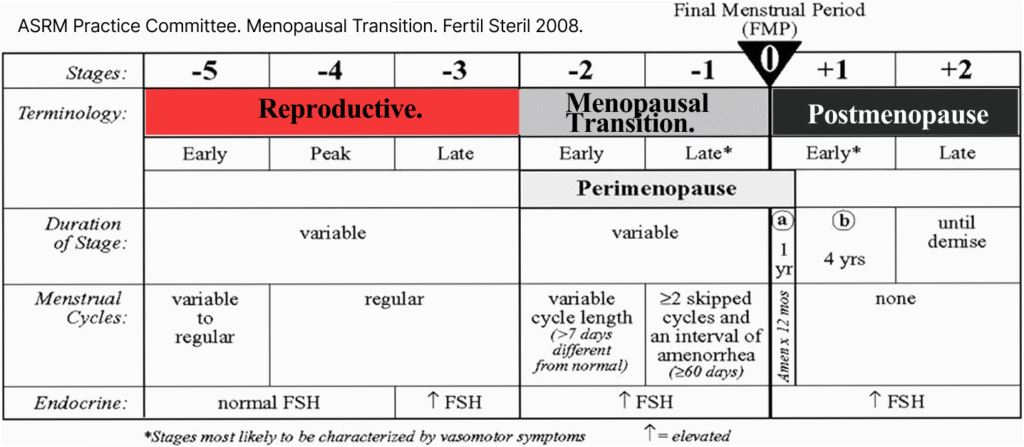
As women move from reproductive years into perimenopause and postmenopause, hormonal signaling shifts. What matters most isn’t the label of the stage — it’s the pattern. As hormones fluctuate, the nervous system becomes more sensitive to prolonged stimulation.
During menopause, stress tolerance narrows. Recovery takes longer. What once felt manageable now feels heavier, louder, closer to the edge.
And this isn’t a weakness. It’s physiology.
Hormonal Shifts That Affect Energy, Mood, and Recovery.
During perimenopause and menopause, two hormones play a central role in how women experience stress and recovery: estrogen and progesterone.
Estrogen helps regulate mood, temperature, sleep quality, and cognitive clarity. As levels fluctuate and gradually decline, stabilizing these systems becomes harder. This is why many women in Fairview notice disrupted sleep, brain fog, mood shifts, or feeling less rested after a full night’s sleep.
Progesterone supports calm and recovery by helping the nervous system slow down. As progesterone declines, the system may remain alert longer. This can show up as difficulty unwinding, lighter sleep, or that familiar “tired but wired” feeling.
As Dr. JoAnn V. Pinkerton of the University of Virginia Health System explains, hormonal shifts directly influence nervous system regulation. This isn’t imaginary. It’s measurable.
Why Does Closeness Feel Overwhelming at Night Instead of Comforting?
At the end of a long day, closeness can feel complicated.
A partner reaches for connection. The intention is loving. But for a woman whose nervous system is still in alert mode, that gesture can feel like one more thing to manage rather than comfort.
What may look like emotional distance is often physiological saturation.
Many women describe a quiet guilt here. Wanting connection but needing space first. Wanting to be present but feeling empty.
Without language for what’s happening internally, it’s easy to assume something is wrong with the relationship, or with themselves.
In reality, the nervous system simply hasn’t discharged what it’s been carrying.
What Does Overstimulation Have to Do With Consistency in the Gym?
This is where the right gym makes all the difference.
Many women walk into the gym carrying the residue of the entire day, emotional labor, mental load, decision fatigue. If training adds more chaos or unpredictability, the body registers it as another stressor.
That’s why at Specialized Fitness & Nutrition in Fairview, NC we approach training differently.
At SFN, we include programs in which workouts are intentionally structured to work with the nervous system. Sessions provide clear inputs, controlled strength work, and intentional pacing so stored energy moves through the body instead of staying trapped as tension.
Nutrition coaching supports this process by stabilizing blood sugar, enhancing recovery, and reducing physiological stress that can intensify during menopause.
When movement and fueling align with your body’s capacity, the gym stops feeling like one more demand.
It becomes an outlet.
Breathing slows. Tension releases. You leave more settled than when you walked in.
That’s what makes SFN one of the most supportive fitness environments for women in Fairview.
How Partners Can Support Regulation Instead of Adding Pressure.
When a woman has spent the entire day managing stimulation, her system may still be in protection mode by evening. Requests for conversation or problem-solving can unintentionally feel like added demand.
This is often where misunderstandings happen.
Simple shifts make a difference:
- Allow quiet transitions.
- Offer presence without expectation.
- Support routines that regulate the nervous system, like consistent training and structured meals.
When partners understand that fitness and nutrition aren’t about appearance but about nervous system health, everything reframes.
The gym becomes part of maintaining emotional resilience and availability — not a distraction from family life.
When Energy Has Nowhere to Go, It Turns Into Tension.
When activation has no outlet, the body stores it as protection.
That stored energy shows up as:
- Tight muscles
- Restless sleep
- Mental fog
- Irritability
- Constant internal pressure
As estrogen fluctuates, stress regulation becomes less stable. What feels like low energy is often unresolved activation.
This is why neither forcing rest nor pushing harder works.
The system needs discharge — not suppression.
And not all workouts provide that.
Some training styles overstimulate an already overloaded nervous system. Others offer controlled release.
What Kind of Training Helps the Nervous System Regulate?
Research from the Mayo Clinic shows that moderate physical activity reduces stress hormones while increasing endorphins and mood-regulating neurotransmitters like serotonin and dopamine.
Here’s what supports regulation best:
Controlled Strength Training.
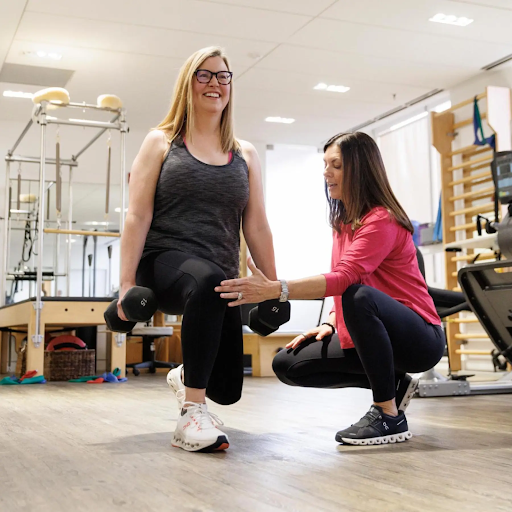
Slow, structured strength work like squats, presses, rows, and deadlifts performed with proper pacing and rest allows tension to discharge while protecting muscle and bone density.
At Specialized Fitness & Nutrition in Fairview, personal training emphasizes structure and clarity so strength work feels grounding — not overwhelming.
Low-Impact Cardio With Rhythm

Incline walking, cycling, or rowing at moderate effort supports circulation without triggering fight-or-flight. Rhythm creates predictability, which calms the nervous system.
Mind-Body and Stability Work.
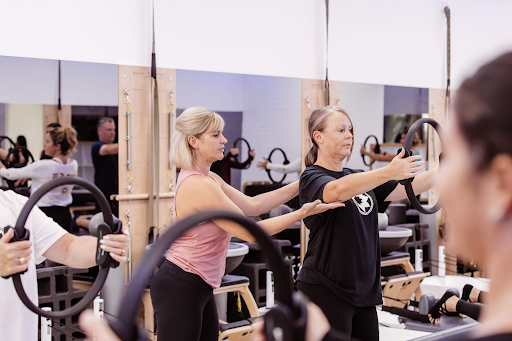
Loaded carries, controlled core work, and slow unilateral exercises release tension while reinforcing stability. Integrating breath with movement activates the body’s rest-and-digest response.
Three structured gym sessions per week create far more regulation than sporadic high-intensity workouts that leave you depleted.
That’s why accountability and consistency matter more than motivation.
What Should Fairview Women Look for in a Gym During Menopause?
If you’re searching for the best gym for women in Fairview, NC during menopause, look for these key elements:
Clear Structure
Guided programming reduces mental load and decision fatigue.
Informed Coaching
Hormonal shifts affect recovery and energy. Coaching should reflect that knowledge.
Nervous System Awareness
Training should regulate, not overwhelm.
Community and Connection
When women feel supported and recognized, consistency grows.
Integrated Nutrition Coaching
Fueling matters. Proper nutrition supports stability during hormonal transition.
This is where Specialized Fitness & Nutrition in Fairview, NC stands out.
SFN combines structured personal training, expert coaching, and nutrition guidance specifically designed to support women navigating menopause and hormonal change.
Members aren’t left to figure things out alone. They’re guided.
Why Fitness and Nutrition Matter During Hormonal and Life Transitions.
Hormonal shifts and daily stress are part of life. What changes is how the nervous system recovers.
When energy has no outlet, it feels like fatigue or disconnection. When it’s given direction through intentional movement and nourishment, the body becomes steadier and more resilient.
The goal isn’t to push harder.
It’s to move smarter.
When energy finds its outlet, the entire household benefits.
How Specialized Fitness & Nutrition in Fairview, NC Supports Women Through Hormonal Changes.
If any part of this feels familiar, you’re not alone.
And you don’t have to navigate this stage by yourself.
At Specialized Fitness & Nutrition in Fairview, North Carolina, women have access to structured training, informed coaching, and nutrition support tailored for menopause and hormonal transitions.
If you’re exploring what the next phase of your fitness journey could look like, SFN is a powerful place to begin.
Because the right gym doesn’t drain your energy.
It gives it back.
FAQs: Menopause, Energy, and Training in Fairview, NC.
Yes. Specialized Fitness & Nutrition (SFN) is designed to support women in Fairview with structured training, informed coaching, and nutrition guidance that fits real life, especially during hormonal transitions like perimenopause and menopause.
Exercise can support stress regulation, mood, and recovery during menopause. Many women do best with consistent strength training and moderate, rhythmic cardio that helps the nervous system settle instead of adding more stimulation.
Many women benefit from:
- Controlled strength training with clear structure and pacing
- Low-impact cardio with rhythm (walking, cycling, rowing)
- Stability and mind-body movement that supports breathing and regulation
During hormonal transitions, the nervous system may take longer to return to baseline. When stimulation builds all day without a clear outlet, the body can stay in an alert state, which often feels like exhaustion paired with difficulty unwinding.
SFN sessions are structured with clear inputs, controlled strength work, and intentional pacing. The goal is to help your body channel stored energy into movement, reduce tension, and support recovery so the gym feels like an outlet, not another demand.
Yes. SFN offers personal training with coaching that emphasizes structure, pacing, and guidance so workouts feel grounding, sustainable, and supportive through changing energy and recovery needs.
Yes. SFN provides nutrition coaching to help stabilize energy and recovery. During hormonal transition, nutrition support can reduce physiological “noise” and make consistency easier by improving blood sugar stability and recovery.
Consistency matters more than intensity. Many women feel best with three manageable training sessions per week, supported by recovery and fueling, rather than sporadic high-intensity workouts that leave the body depleted.
Yes. SFN is built to be supportive and structured, so you’re not left guessing what to do. Coaching and guided programming reduce overwhelm and help you build consistency over time.
Simple shifts can help: allow quiet transitions after the day, offer presence without expectation, and support routines that help regulation like consistent training, structured meals, and predictable evenings. Shared understanding reduces misunderstandings and pressure.
Interested in join SFN or learning more?
Get SFN updates for the next event: Want to know when the next community gathering is announced?
→ Subscribe to the SFN newsletter to get notified first.